Category: Learn

  • What Is Liquid Staking? A Beginner’s Guide to Earning Rewards and Staying Flexible

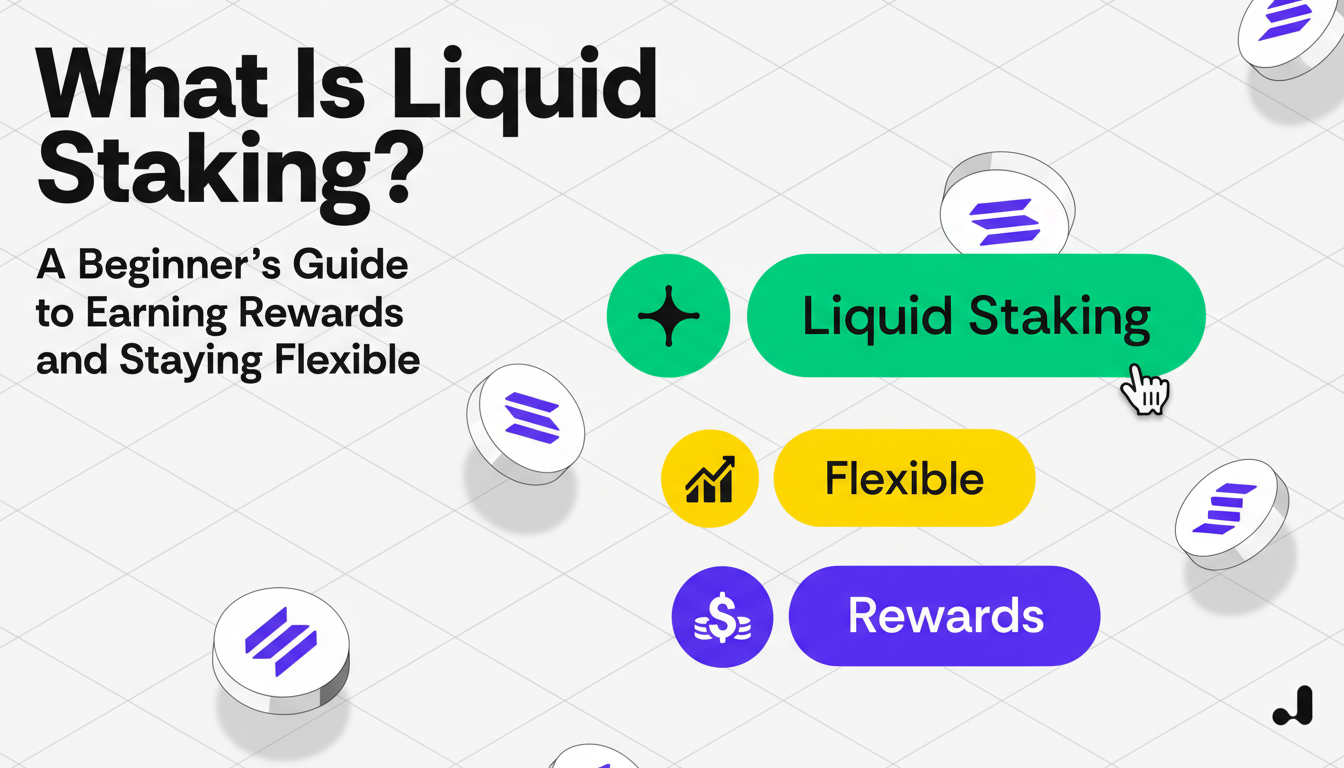
    What Is Liquid Staking? A Beginner’s Guide to Earning Rewards and Staying Flexible

    The Limitations of Traditional Staking

    If you’ve ever staked SOL, you know the feeling. You hit Stake, feel accomplished for a second — and then realize your funds are frozen. Days go by, sometimes longer. You can’t move or sell, even if the market turns around.

    That’s the classic trade-off: earn staking rewards or keep your tokens liquid. For years, you had to pick one side. Not anymore.

    This problem led to the rise of liquid staking, an alternative that lets you keep earning while your tokens stay usable.


    What Is Liquid Staking in Crypto (and Why It Matters)

    So, what is liquid staking? In simple terms, it’s staking without the handcuffs. You still delegate your SOL to validators, but instead of locking it away, you get another token in return — JSOL.

    JSOL represents your staked SOL. Behind the scenes, it earns validator rewards just like before. The difference is, you can actually do something with it. Swap it, lend it, hold it, or use it in DeFi — all while your original SOL keeps generating yield.

    In short, liquid staking turns staking from a waiting game into an active strategy. That’s why more people searching what is liquid staking crypto end up finding JPool — it’s the simplest way to combine yield and flexibility.


    Why Solana Is Perfect for Liquid Staking

    Let’s be honest: not every blockchain makes this idea practical. On networks with high gas fees, small moves can eat into profits. Solana’s different.

    It’s fast, lightweight, and cheap. That means you can experiment with JSOL in DeFi without worrying about losing half your gains to fees. Swaps cost cents, sometimes less. And because Solana’s ecosystem keeps expanding — Raydium, Kamino, MarginFi, Orca, and more — JSOL isn’t just “proof” of staking. It’s an asset you can actually use.

    That’s the real power of liquid staking on Solana: it isn’t theoretical. It’s live, integrated, and growing fast.


    Why So Many Choose JPool

    There are several liquid staking providers out there, but JPool consistently earns trust among Solana users. Here’s why:

    • Balanced validator network. JPool spreads your stake across reliable validators, supporting decentralization and reducing performance risk.

    • Transparency first. All validator stats, total value locked, and APYs are public — no guessing games.

    • Instant liquidity. You stake, confirm, and get JSOL in seconds. That’s it.

    • DeFi integrations everywhere. JSOL works with Solana’s top apps, meaning your staked tokens are never idle.

    • Community rewards. Through the Holders Club, users can earn JPoints, level up, and unlock perks.

    It’s a mix of reliability, simplicity, and community — three things most staking platforms rarely combine.


    The Key Advantages of Liquid Staking with JPool

    Here’s what sets it apart once you start using it day-to-day:

    • You’re never locked. Your SOL keeps earning while staying available.

    • Your returns can stack. You get validator rewards plus whatever extra yield JSOL earns in DeFi.

    • You don’t waste time managing validators — JPool does it for you.

    • Transactions are smooth and low-cost, even if you’re testing multiple DeFi apps.

    • And honestly? It’s beginner-friendly. The interface is clear, and you see your results immediately.

    All of that turns staking from a passive habit into a small, consistent source of motion in your portfolio.


    How It Works (Real Example)

    Here’s a quick story.

    Alex and Dana both have 50 SOL.
    Alex stakes directly with a validator. He earns around 7–8% a year but can’t touch the funds until the cooldown ends.

    Dana stakes with JPool instead. She gets 50 JSOL instantly and earns the same validator rewards. Then she pairs part of it in a Raydium pool. Now she’s earning staking yield and liquidity rewards.

    A year later, both earned from staking — but Dana’s SOL worked twice as hard.


    The Risks: Real, But Manageable

    No crypto product is risk-free. Here’s what’s worth knowing:

    • Smart contract bugs — every DeFi protocol faces this risk. JPool’s code is audited, but users should stay aware.

    • Price deviation — JSOL may temporarily trade a bit below SOL depending on market liquidity.

    • Validator uptime — JPool’s multi-validator setup limits issues, but performance still affects yields slightly.

    Nothing dramatic, but it’s worth understanding before diving in. Transparency is part of what keeps the ecosystem healthy.


    How to Stake SOL with JPool (Step-by-Step)

    1. Set up a Solana wallet. Phantom, Backpack, or Solflare — any trusted one works.

    2. Add SOL. Transfer or buy directly in the wallet.

    3. Open app.jpool.one. Connect your wallet.

    4. Enter amount. Choose how much to stake.

    5. Confirm. You’ll see JSOL appear in seconds.

    From there, it’s up to you. Hold JSOL, trade it, or use it in DeFi. You can even stake-and-forget, and still stay flexible if something new catches your eye.

    To exit, swap JSOL for SOL on a DEX or use JPool’s native unstake option.


    Inside the Holders Club

    The JPool Holders Club adds a layer most staking platforms miss — fun. You earn JPoints for holding JSOL, doing community quests, or completing learning missions.

    Those points push you up through tiers that unlock boosters, bonuses, and special campaigns. It turns staking from something passive into a kind of progression system.

    It’s simple, but it keeps users connected — which is exactly what Web3 projects need more of.


    Quick FAQ

    Is liquid staking safe?
    Safer than most DeFi experiments, but still not risk-free. JPool’s contracts are audited and public.

    What happens if I sell JSOL?
    Whoever buys it gets the staking rewards from that point onward. It’s how you exit instantly.

    How much can I earn?
    Validator rewards average 7–8% APY, plus whatever DeFi income you create with JSOL.

    Can I choose validators myself?
    No need. JPool’s algorithm balances them automatically for better decentralization.


    Final Thoughts

    For years, staking on Solana meant patience and limited control. You either locked your tokens or left them idle.

    Liquid staking changed that.

    With JPool, you stake SOL, receive JSOL instantly, and keep your options open. You earn rewards, join a growing ecosystem, and stay in full control of your funds. It’s staking that finally fits how crypto actually moves — fast and flexible.

    If you’ve been wondering what is liquid staking crypto, this is where the answer turns practical.

    Head to jpool.one, stake your SOL, and see it in action.
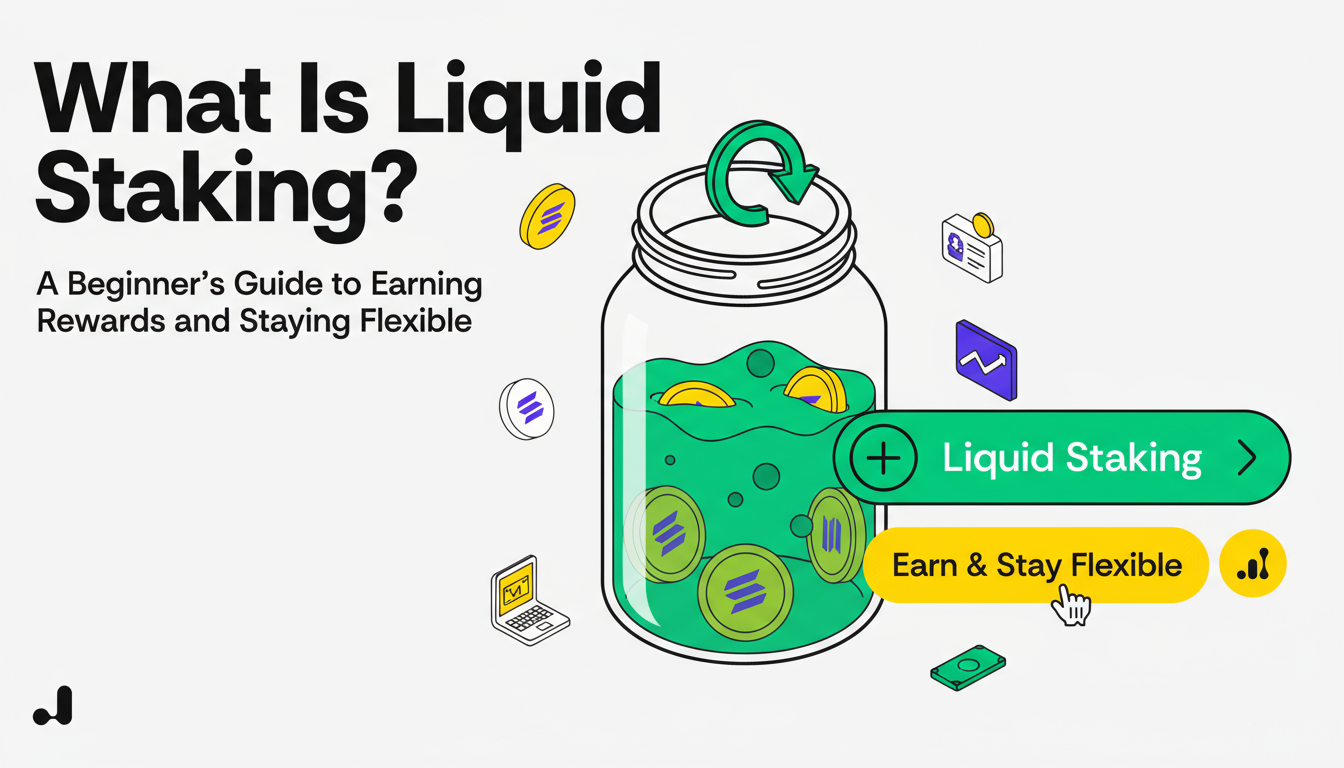
    What Is Liquid Staking? A Beginner's Guide to Earning Rewards and Staying Flexible
    What Is Liquid Staking? A Beginner’s Guide to Earning Rewards and Staying Flexible

  • How to Stake SOL with JPool in 2025: A Step-by-Step Guide

    How to Stake SOL with JPool in 2025: A Step-by-Step Guide

    How to Stake SOL with JPool in 2025 — Step-by-Step Tutorial

    Staking Sounds Easy — Until You Try It

    On paper, staking SOL looks simple. You delegate tokens to validators, they keep the Solana network secure, and you earn rewards. That’s the promise.

    In practice? Not quite that neat. Once you stake directly, your SOL is locked. You can’t touch it, can’t swap it, can’t jump on a new DeFi opportunity that pops up tomorrow. It’s safe, yes — but static.

    Traditional staking feels like closing a door behind you. In 2025, that kind of waiting doesn’t fit the pace of Solana.


    How Does Solana Staking Work

    Validators power Solana’s network. They verify transactions, build blocks, and keep the chain decentralized. When you delegate SOL to them, you’re supporting that system and earning a share of the block rewards.

    That’s the plain version of how Solana staking works. But here’s the issue: when you delegate, your tokens get locked. To unstake, you wait through the cooldown — sometimes days. In crypto time, that’s an eternity.

    So people searching “how to stake Solana” or “Solana staking how to” are often asking a deeper question: how do I stake without losing control of my funds?


    JPool: The Best Way to Stake Solana in 2025

    That’s exactly what JPool fixes. When you stake through JPool, you receive JSOL — a liquid staking token that mirrors your staked SOL.

    Behind the scenes, your SOL continues to earn validator rewards. But JSOL in your wallet stays liquid. You can hold it, lend it, use it in DeFi, or trade it on a whim. It’s staking without the lock-in.

    That’s why, for many users, JPool has quietly become the best way to stake SOL in 2025 — simple interface, real liquidity, and solid rewards.


    Why Use JPool Instead of Native Staking

    You could stake natively. You could also still use a dial-up modem — it works, technically. But JPool just makes more sense:

    • Ease of use. No validator research, no manual tracking.

    • Smart Delegation. JPool spreads SOL across multiple validators for safety.

    • Instant liquidity. Swap JSOL for SOL anytime, no waiting.

    • Community perks. The Holders Club lets you earn JPoints and extra rewards.

    • DeFi-ready. JSOL is accepted on major Solana protocols.

    Native staking is fine for purists, but for everyone else, JPool is faster and lighter — it feels current.


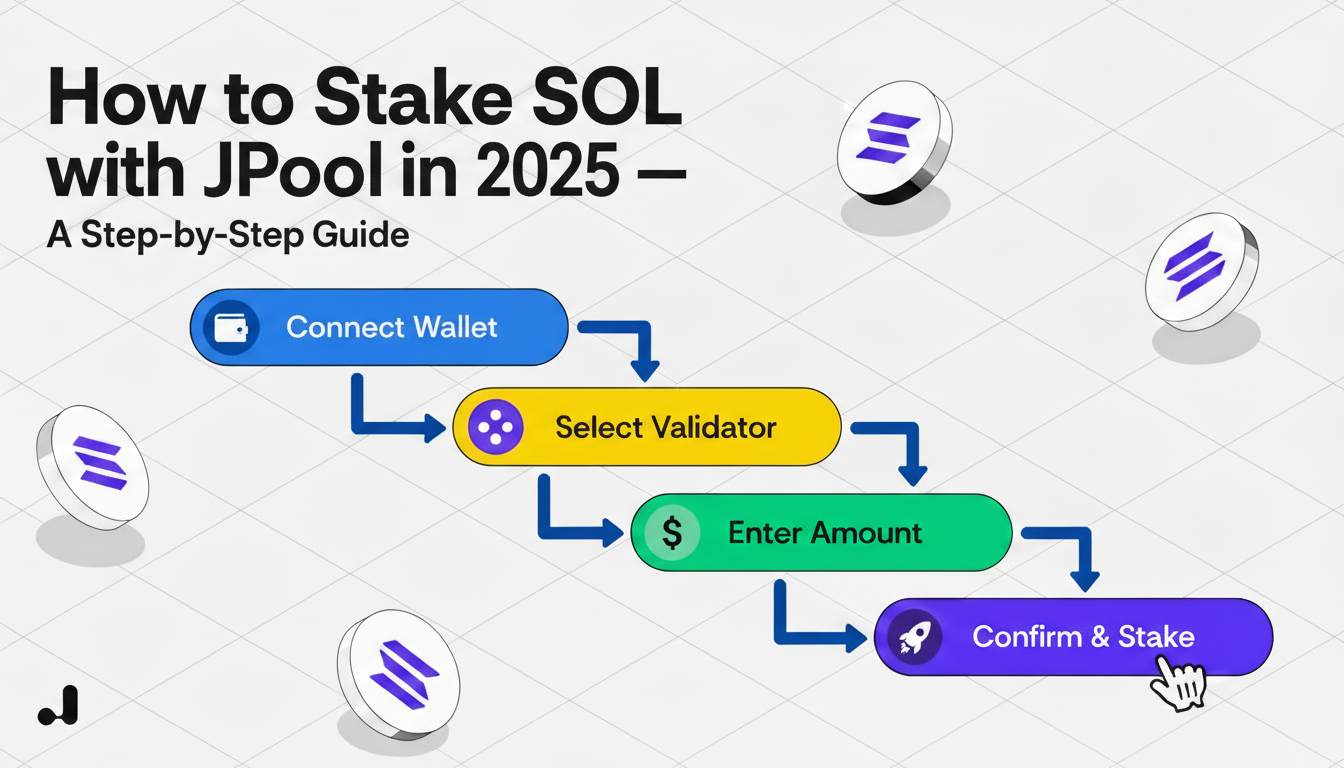
    How to Stake SOL with JPool: Step by Step

    If you’ve been wondering how to stake Solana or how to stake SOL, here’s the process:

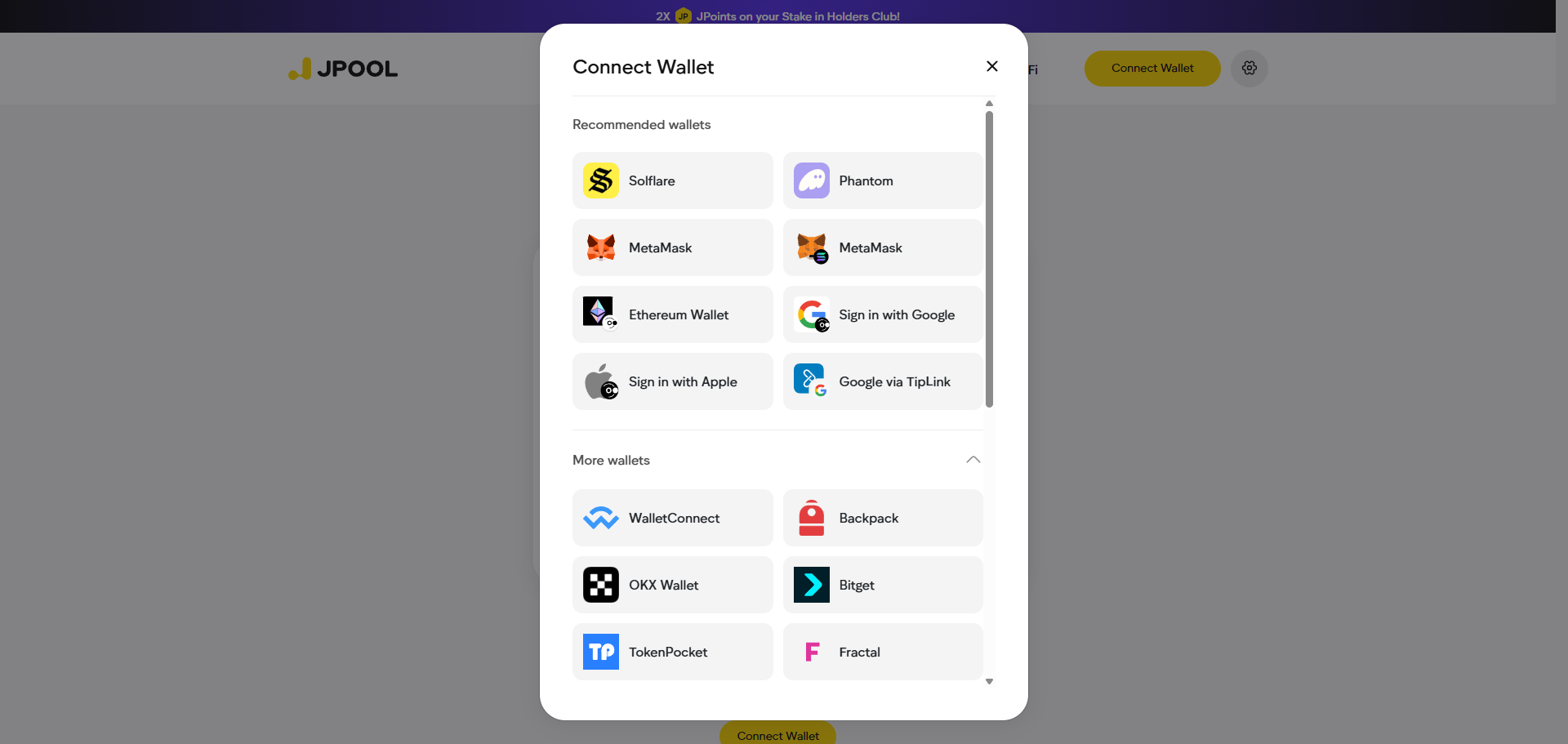
    Step 1. Create a wallet
    Install Phantom, Solflare, MetaMask , Backpack or any other SOL acceptable wallet. Fund it with SOL.
    How to Stake SOL with JPool in 2025 — A Step-by-Step Guide

    Step 2. Visit JPool
    Head to app.jpool.one and connect your wallet.

    Step 3. Pick your staking mode
    Choose Liquid Staking (to get JSOL), Direct Staking (to pick validators), or Leverage (for boosted yields).

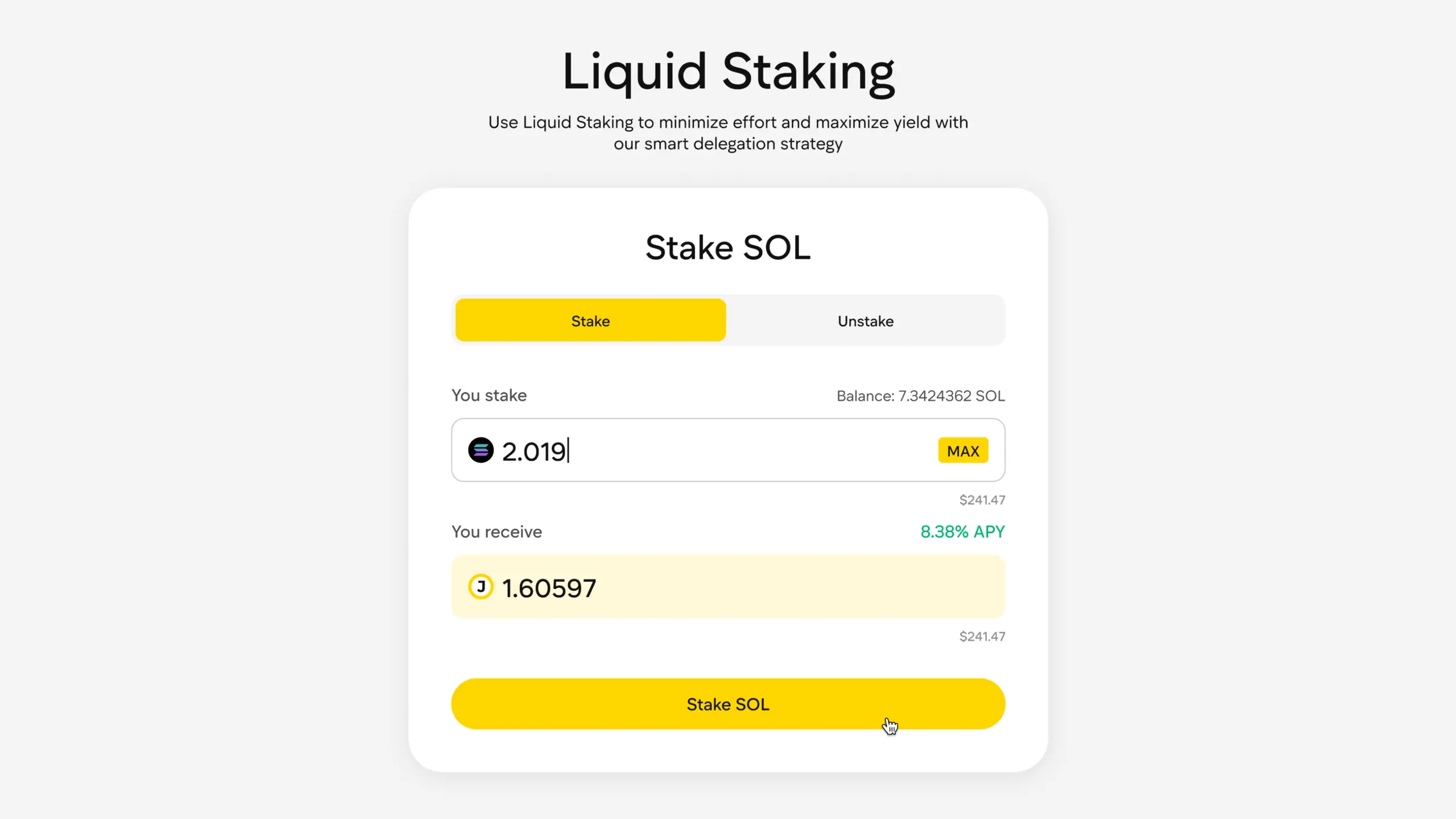
    Step 4. Decide your amount
    Stake whatever you like — there’s no minimum.
    How to Stake SOL with JPool in 2025 — A Step-by-Step Guide

    Step 5. Approve
    Confirm in your wallet. Solana’s speed finalizes the transaction in seconds.

    Step 6. Get JSOL
    You’ll see JSOL appear right away. That’s your staked SOL, but flexible.

    And that’s the real 2025 answer to “Solana staking how to.”


    What Can You Do With JSOL

    This is where JPool really opens things up:

    • Hold JSOL and earn passive rewards.

    • Use it in DeFi — lend, farm, or add liquidity.

    • Swap it for SOL instantly if you need to move fast.

    • Join the Holders Club and collect JPoints for quests or challenges.

    Traditional staking ends once you delegate. With JSOL, that’s where it starts.


    Native Staking vs JPool: Simple Scenario

    Let’s say you have 20 SOL.

    You stake natively — it’s locked. You wait for rewards and hope the market doesn’t shift before you can unstake.

    Now, same 20 SOL, but through JPool. You get JSOL instantly, keep earning, and can enter a DeFi pool tomorrow if something interesting launches.

    That flexibility is why liquid staking has become the default choice for most active Solana holders.


    Practical Tips for New Stakers

    If you’re just figuring out how to stake SOL, a few basics help:

    • Test with a small amount first.

    • Keep your wallet and recovery phrase safe.

    • Double-check any DeFi platform before depositing JSOL.

    • Let rewards compound — patience actually pays here.

    Those little habits save you headaches later.


    FAQs on Solana Staking

    How to stake SOL in the easiest way?
    Use JPool. Connect your wallet, stake, and get JSOL instantly.

    What’s the best way to stake Solana in 2025?
    JPool’s liquid, direct, and leveraged options combine yield with liquidity.

    Do I lose rewards with JSOL?
    No. You earn validator rewards and can gain more through DeFi use.

    How fast can I unstake?
    Instantly — swap JSOL for SOL or redeem via JPool.

    Is JPool only for experts?
    No, it’s beginner-friendly but powerful enough for pros.


    Security and Network Strength

    Every time you stake through JPool, you still help secure Solana. The protocol delegates SOL to many validators, spreading load and supporting decentralization.

    So when you ask “how does Solana staking work,” remember it’s about more than rewards — it’s also about keeping the network strong.


    The Bigger Picture

    A few years ago, locking tokens felt normal because there wasn’t another way. Now, with liquid staking, that model feels outdated.

    JPool makes it seamless: stake, earn, move — all in one flow. It’s a step forward for Solana’s validator ecosystem and for users who want control.


    Final Word

    So, how to stake SOL in 2025? The old way was to delegate and wait. The better way is to stake through JPool, get JSOL, and keep your options open.

    It’s more than just the best way to stake Solana — it’s how staking on Solana should have worked from the beginning.

    👉 Start at jpool.one and see it for yourself.